
Our Services
-
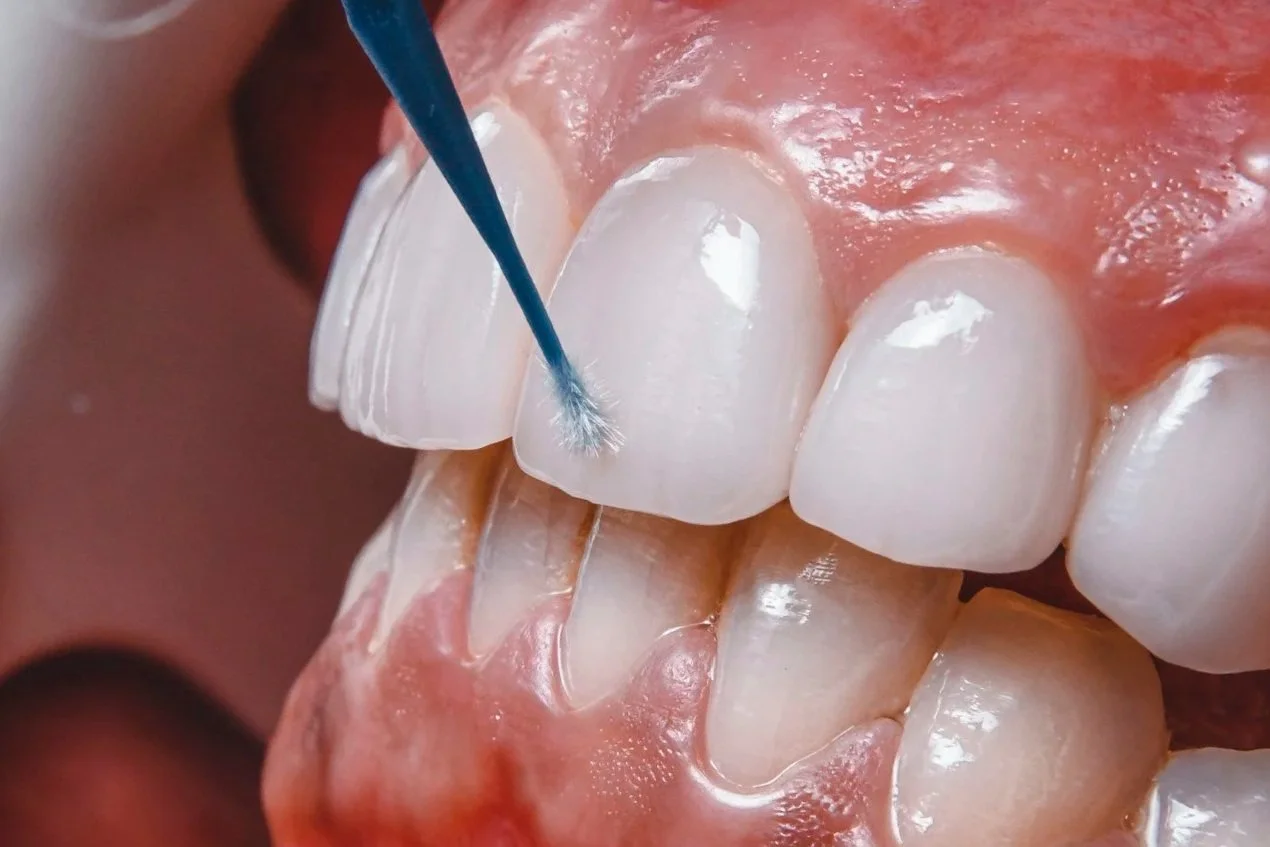
Composite Restorations
Often referred to as a filling, a composite restoration is a way to restore a tooth damaged by decay back to its normal function and shape. When Dr. Pitcock completes a composite restoration, he first removes the decayed tooth structure, cleans the affected area, and then fills the cleaned out cavity with a filling material.
By closing off spaces where bacteria can enter, a filling also helps prevent further decay. The composite restoration filling material allows Dr. Pitcock to match your natural tooth shade so the restoration is not visible in your mouth. -
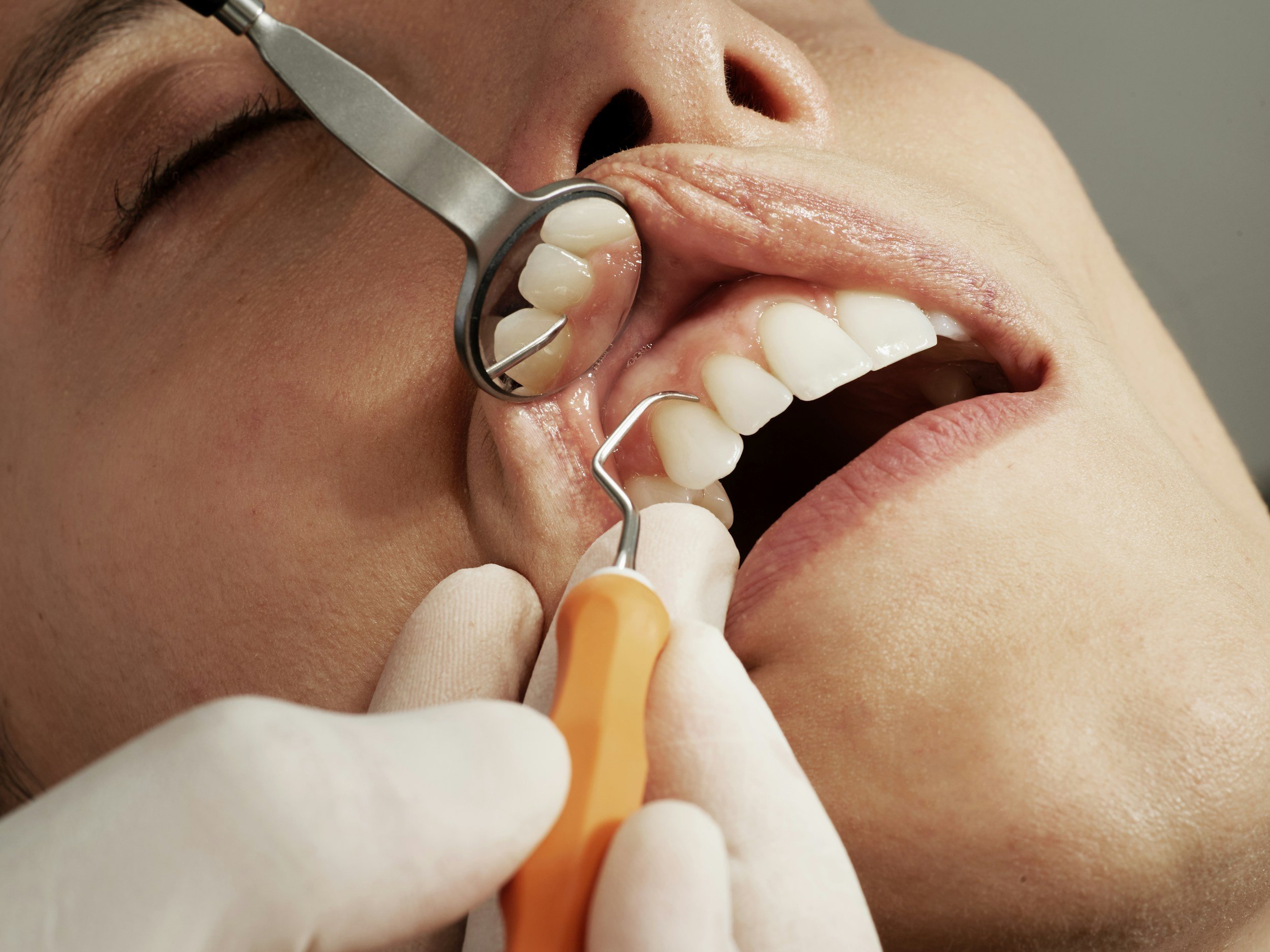
Treatment for Gum Disease
Gum disease is inflammation of the gums that can progress to affect the bone that surrounds and supports your teeth. It is caused by the bacteria in plaque, a sticky, colorless film that constantly forms on your teeth. If not removed through daily brushing and flossing, plaque can build up and the bacteria can infect not only your gums and teeth, but eventually the gum tissue and bone that support the teeth. This can cause them to become loose, fall out, or have to be removed by a dentist. A professional cleaning by one of our Registered Dental Hygienist, is the only way to remove plaque that has built up and hardened into tartar. They will clean or “scale” your teeth to remove the tartar above and below the gum line. If your condition is more severe, a scaling and root planing procedure may be performed.
-
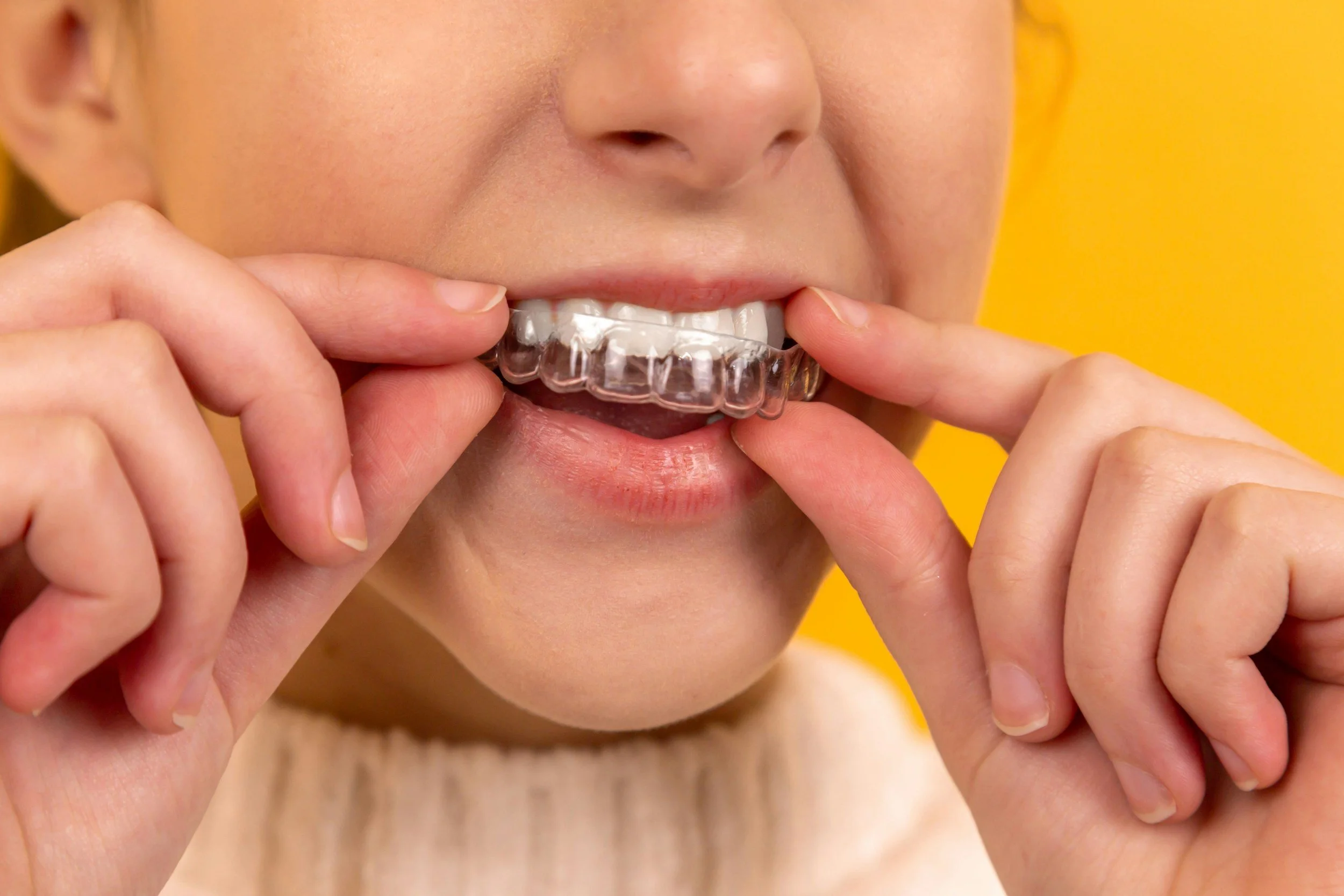
Occlusal Guards
An occlusal guard (also known as a “night guard”) is a horseshoe shaped piece of plastic which is worn over the teeth to protect them against damage caused by clenching or grinding. It works by creating a physical barrier between your upper and lower teeth so that you bite against the plastic rather than wearing down your teeth. Most people are unaware that they grind or clench their teeth as it usually happens when they are sleeping. An occlusal guard will force your muscles to relax and help alleviate symptoms caused by clenching or grinding.
-
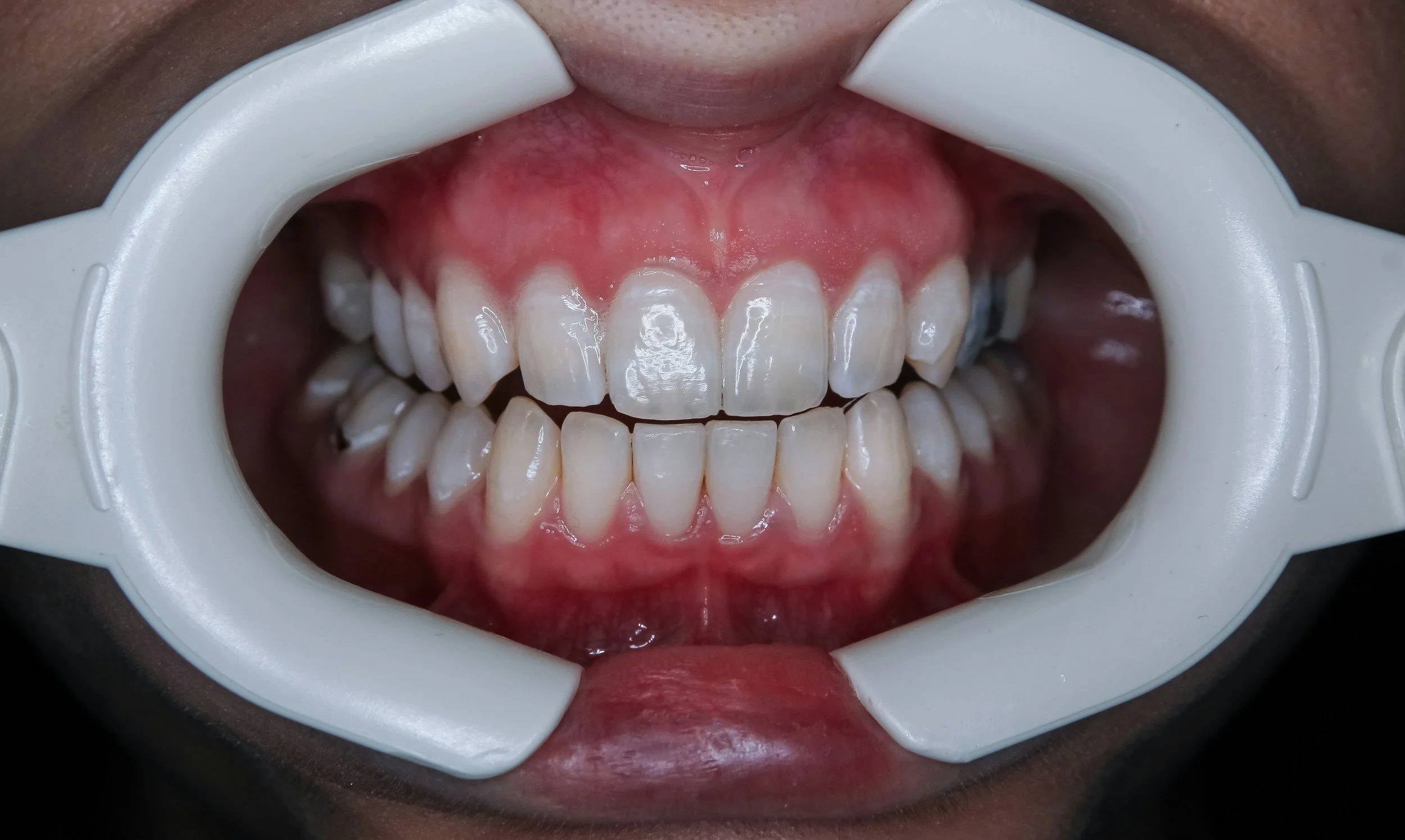
Whitening
Whitening can significantly change someone’s smile as it is naturally the first thing most people notice. We are currently offering Opalescence Home Advance. It is the next generation of dentist-designed whitening trays from the trusted makers of Opalescence GO. Each box contains 10 prefilled UltraFit™ trays of 15% hydrogen peroxide that comfortably adapts to your smile, this system delivers even whitening from molar to molar—no molds, mixing, or LED lights needed. Powered by hydrogen peroxide, it effectively removes deep stains from coffee, tea, and wine while remaining gentle on sensitive teeth. Developed by Ultradent, a global leader in whitening for over 30 years, Opalescence Home Advance offers a safe, simple, and mess-free way to achieve a brighter, more confident smile.
-
Sealants
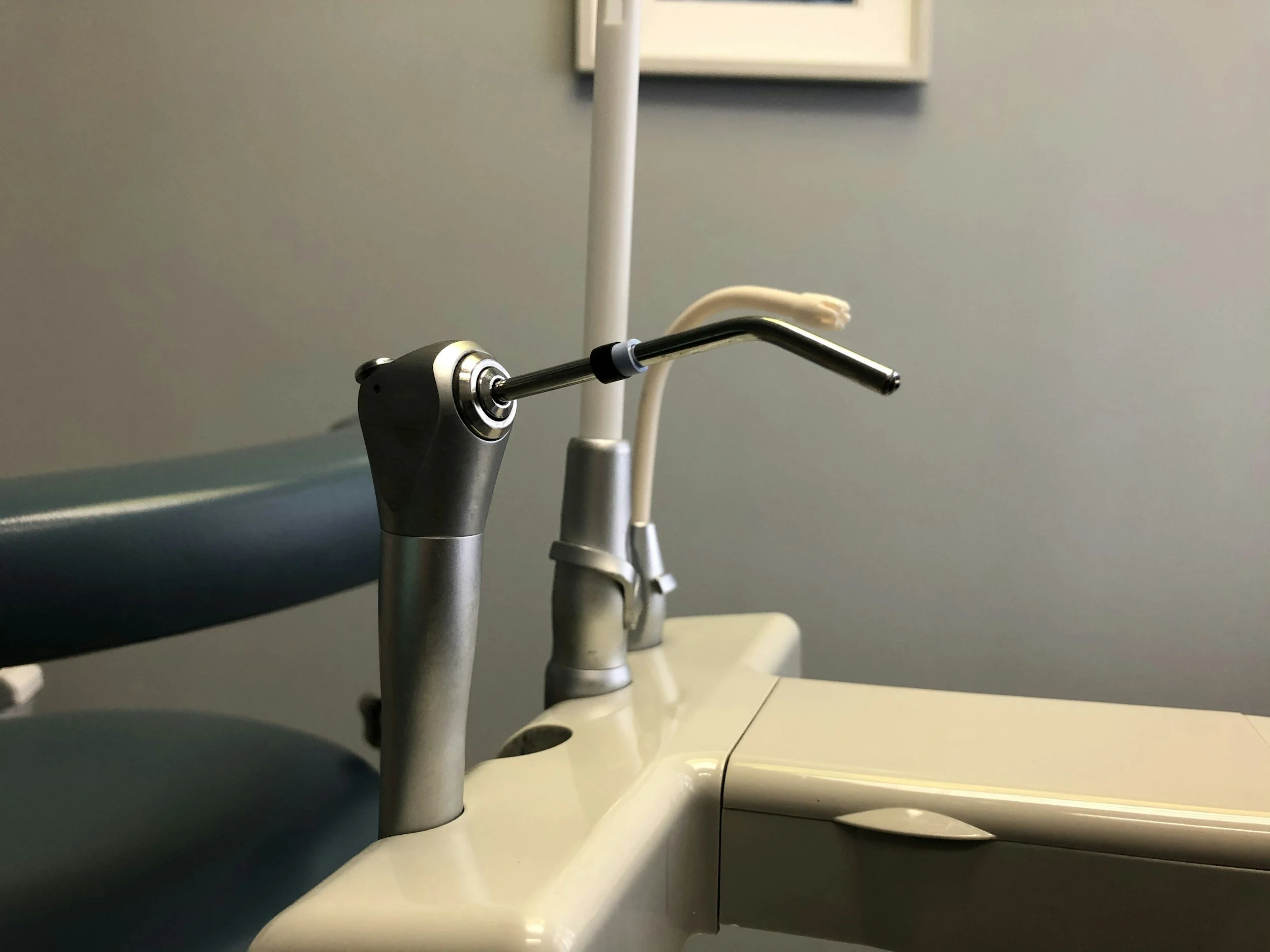
Dental sealants are for children and are usually placed on the chewing (occlusal) surface of the permanent back teeth — the molars and premolars — to help protect them from decay. The chewing surfaces of children’s molar and premolar teeth have grooves, or “fissures”, that make them vulnerable to decay. These fissures can be deep, difficult to clean, and can be narrower than even a single bristle of a toothbrush. Plaque accumulates in these areas, and the acid from bacteria in the plaque attacks the enamel and cavities can develop. Fluoride helps prevent decay and helps protect all the surfaces of the teeth, while dental sealants provide extra protection for the grooved and pitted areas by providing a smooth surface covering over the fissured areas.
-
Extractions
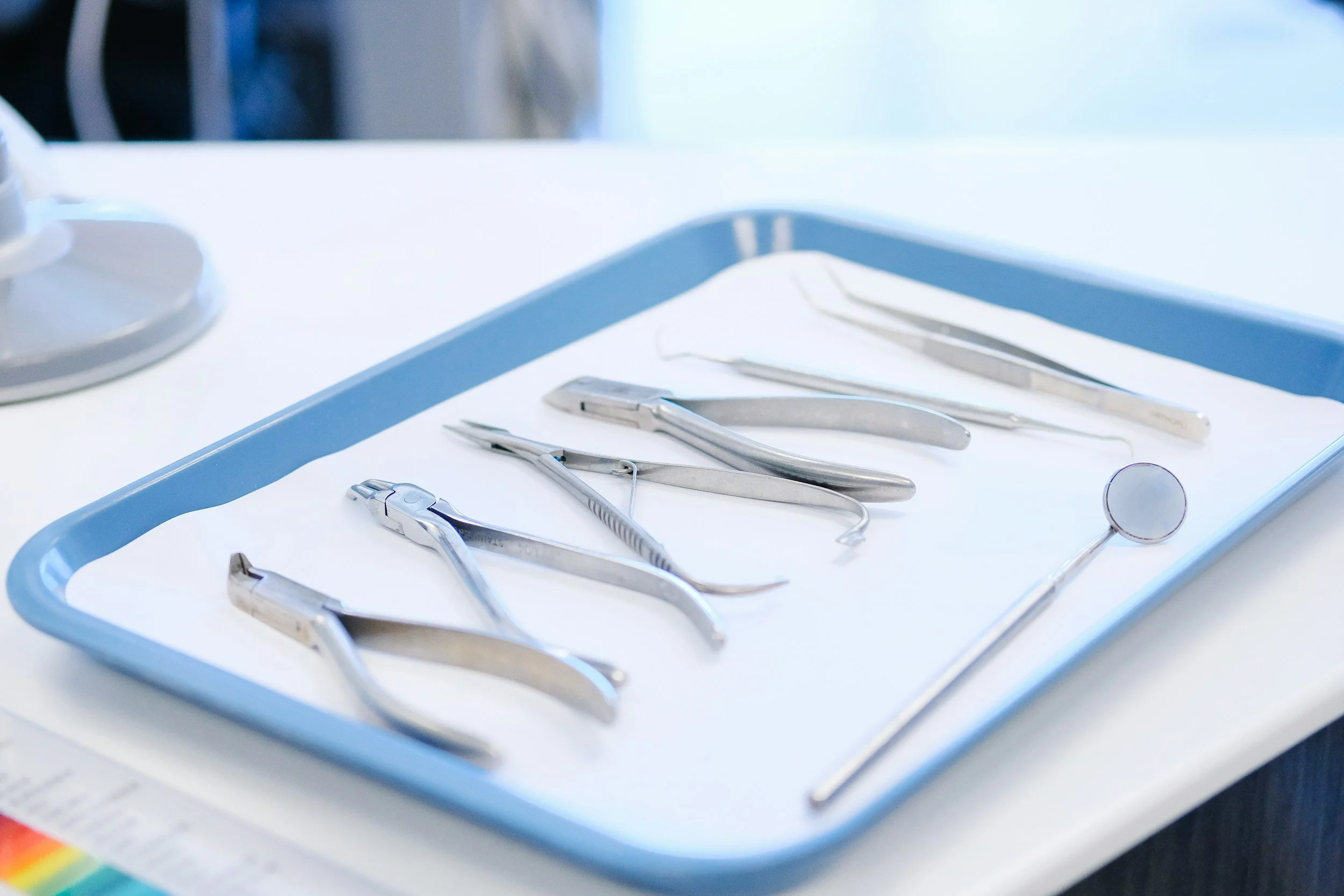
If a tooth has been broken or damaged by decay, Dr. Pitcock will try to fix it with a filling, crown or other restorative treatment. Sometimes, there is too much damage for the tooth to be repaired. If this is the case, Dr. Pitcock will recommend that the tooth be extracted. A very loose tooth also will require extraction if it can’t be saved, even with bone replacement surgery (bone graft).
Wisdom teeth, also called third molars, are often extracted either before or after they come in. They commonly come in during the late teens or early 20s. They need to be removed if they are decayed, causing pain, or have a cyst or infection. These teeth often get stuck in the jaw (impacted) and do not come in properly. This can irritate the gum, causing pain and swelling.
-
Root Canal Therapy
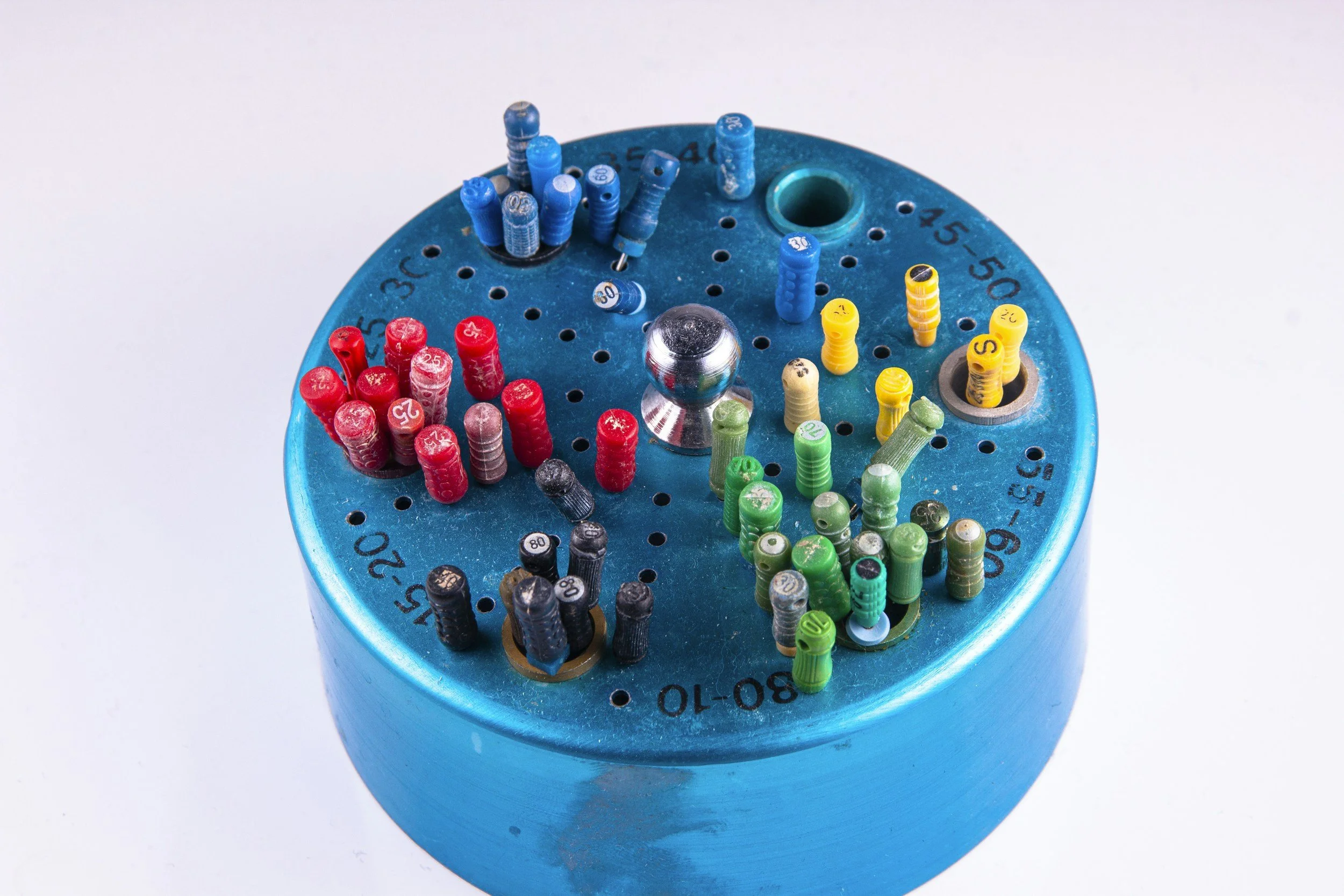
A root canal treatment is the removal of the tooth’s pulp (or nerve) – a small, thread-like tissue in the center of the tooth. Once the damaged, diseased or dead pulp is removed, the remaining space is cleaned, shaped, and filled. Root canal treatment saves many teeth that would otherwise be lost. Once the pulp is infected or dead, if left untreated, pus can build up at the root tip in the jawbone, forming an abcess. An abscess can destroy the bone surrounding the tooth and cause pain. As there is no longer a pulp keeping the tooth alive, root-treated teeth can become brittle and are more prone to fracture. Your treated and restored tooth/teeth can last a lifetime with proper care.
-
Implant Restorations
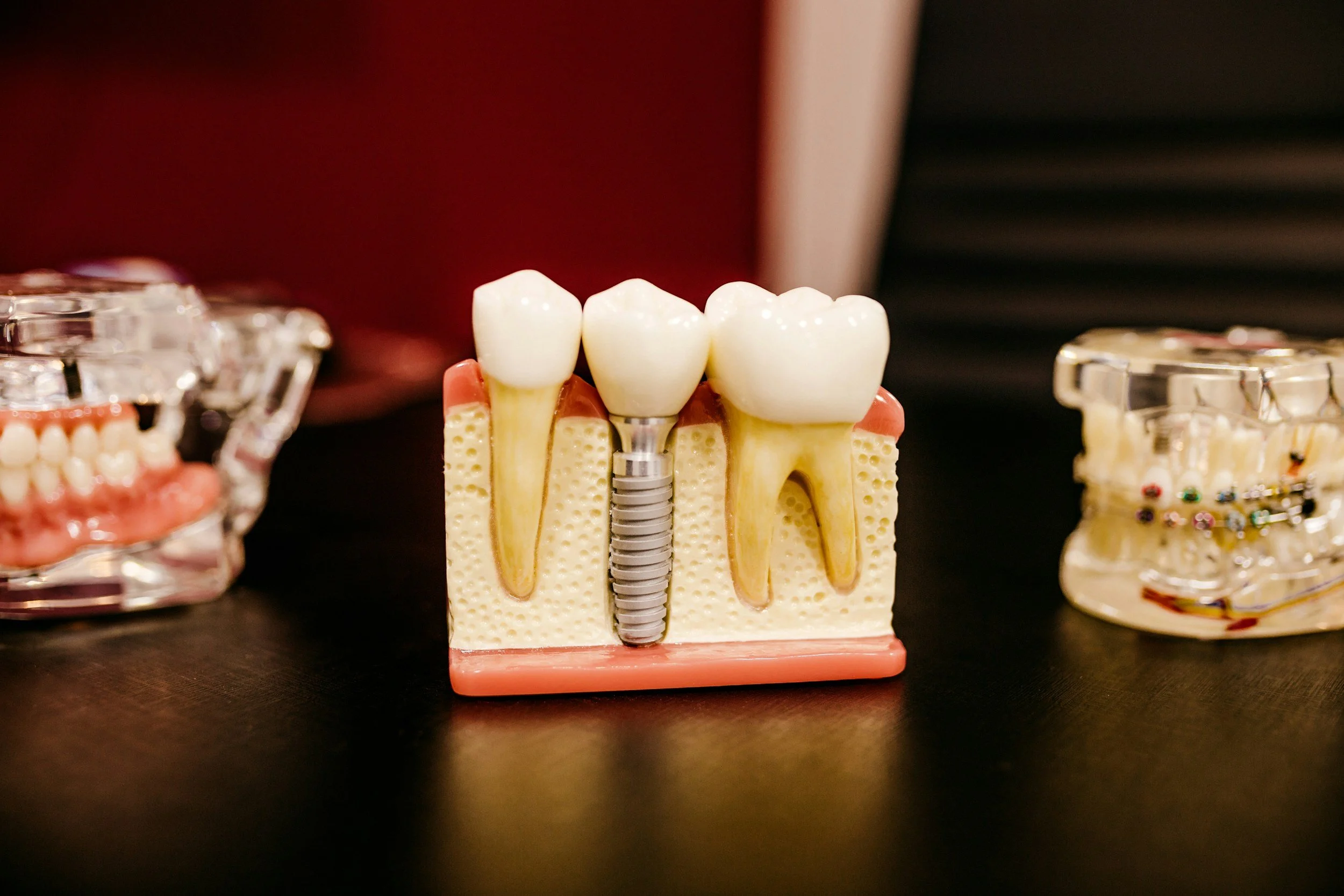
Dental implants are metal posts or frames that are surgically positioned into the jawbone beneath your gums. Once in place, they allow your dentist to mount replacement teeth onto them. Because implants fuse to your jawbone, they provide stable support for artificial teeth. Dentures and bridges mounted to implants won’t slip or shift in your mouth — an especially important benefit when eating and speaking. This secure fit helps the dentures and bridges — as well as individual crowns placed over implants — feel more natural than conventional bridges or dentures.
-
Crowns and Bridges
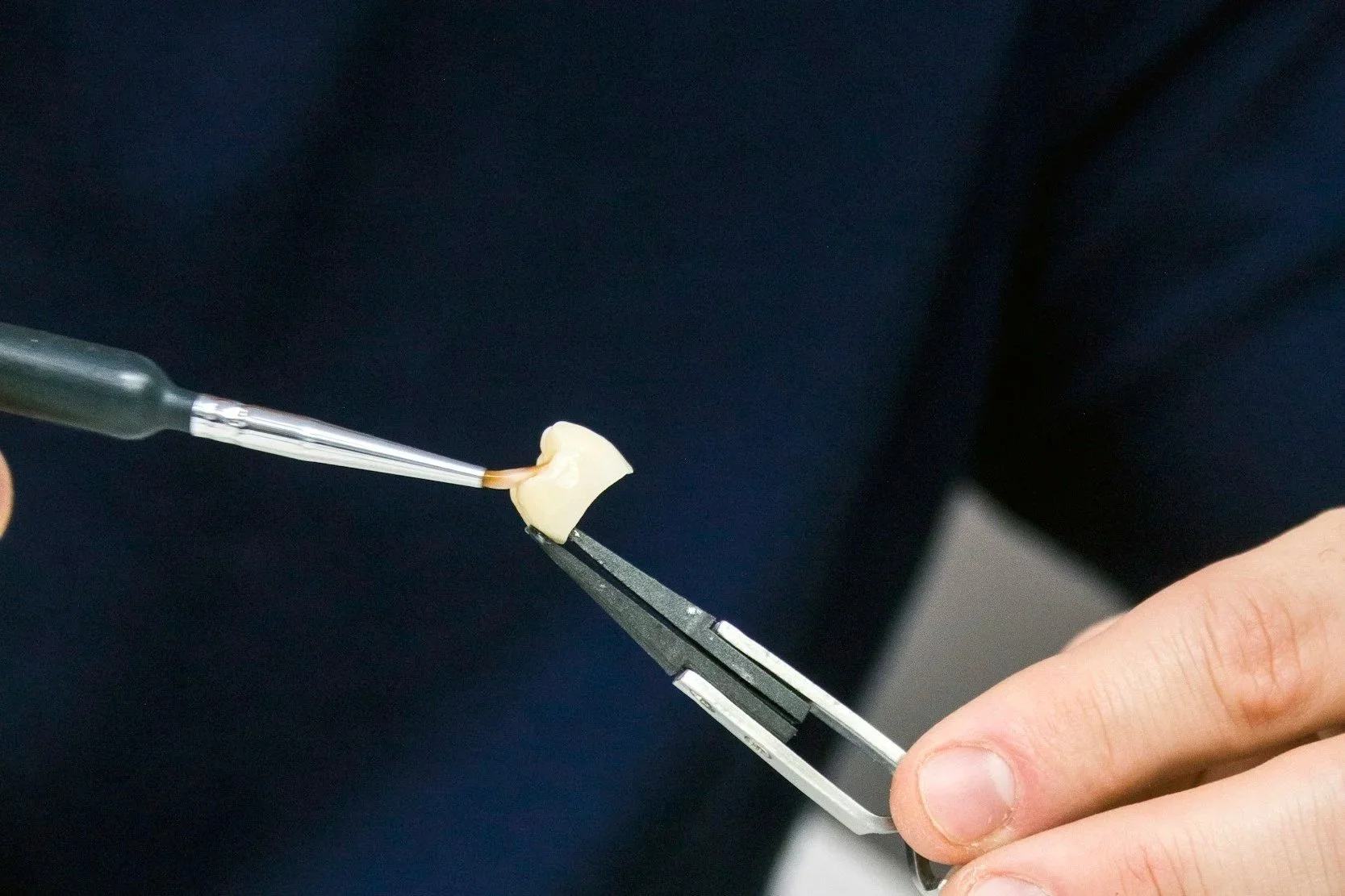
A crown is used to entirely cover or “cap” a damaged tooth. Besides strengthening a damaged tooth, a crown can be used to improve its appearance, shape, or alignment. A crown can also be placed on top of an implant to provide a tooth-like shape and structure for function. Bridges are commonly used to replace one or more missing teeth. They span the space where the teeth are missing. Bridges are cemented to the natural teeth or implants surrounding the empty space. These teeth, called abutments, serve as anchors for the bridge. A replacement tooth, called a pontic, is attached to the crowns that cover the abutments. They can be matched to the color of your natural teeth.